Stainless Caps That Keep Rain and Animals Out
An open flue lets in rain, leaves, birds and squirrels. A stainless cap with a mesh screen closes it off, typically for $200 to $700 installed.
The City of Philadelphia's maintenance advice for rowhouse owners, in its Rowhouse Manual, pairs two chores: have a sweep clean and inspect the chimney once a year for animal nests and soot, and have a professional check the flashing and chimney caps. They belong together. An uncapped chimney is a dry, sheltered shaft that birds, squirrels and raccoons are glad to move into, and every rainstorm drops water straight down the flue onto the damper and smoke shelf.
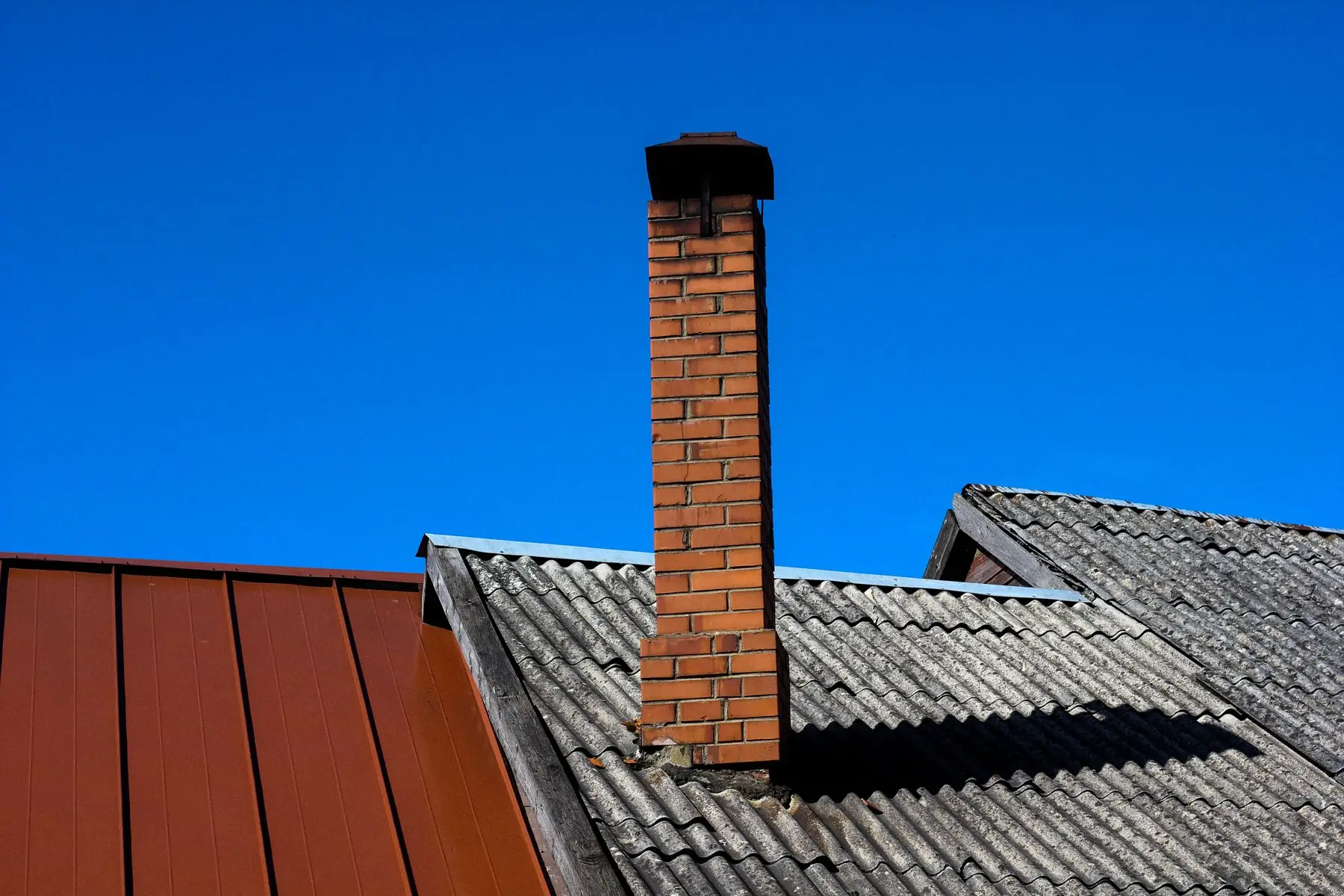
A cap is the simplest fix on the roof. A stainless hood sits over the flue, a mesh screen around it keeps animals out and sparks in, and the top sheds rain. On a stack with several flues, one cap can cover them all, or each flue can get its own.
When to call
- Rust or water in the firebox after rain
- Scratching, chirping or nesting sounds in the chimney
- Twigs, leaves or debris on the smoke shelf
- A cap that is rusted through, bent or missing
- Downdrafts or smoke in the room on windy days
The visit, step by step
- Measure every flue, freeAt the inspection we measure each flue and note which appliance it serves, since a gas or oil flue needs a cap that suits it.
- Clear the flue firstA nest or debris has to come out before a cap goes on; animal removal is a separate job, priced if we find one.
- Fit the capStainless, with a screen, fastened to the tile or the crown so wind cannot lift it off.
- Check the crown underneathA cap cannot fix a cracked crown, so we photograph the crown and tell you if it needs work.
What a cap does, and what it can't
A cap keeps rain, animals, leaves and sparks out of the flue opening and can calm some wind-driven downdrafts. The 2021 IRC asks that a rain cap's open area be at least four times the area of the flue outlet it covers (R1003.9.3), so the cap does not choke the draft. What a cap cannot do is seal the crown around it or the flashing below it. If water is getting in there, the cap alone will not stop the leak.
On a gas furnace, boiler or water heater flue, the cap has to suit the appliance. PGW tells its customers not to cover appliance vent openings with mesh or netting, so a homemade screen over a heater flue is a genuine hazard: lint and frost can clog it and push exhaust back into the house.
Caps on rowhouse stacks and historic chimneys
A Philadelphia rowhouse stack may hold several flues, sometimes for more than one house. A multi-flue cap covers the whole top; single caps fit each flue. On a shared stack we document which flue belongs to which house before choosing. In a historic district, a low-profile cap that sits close to the brick keeps the chimney's outline, and the Historical Commission's Diamond Street manual even says unused chimneys should be kept in good repair and capped.
Chase covers on factory-built chimneys
Housing gets newer as you move out from the city. The Census puts the median home in Chester County at 1984 and in Lancaster County at 1979, against 1949 in Philadelphia, and plenty of houses from those decades have a prefab fireplace whose metal pipe runs up a boxed-in, sided chase. Capping that box is a sheet-metal lid known as a chase cover. When it rusts or sags, water pools and runs into the framing. A replacement chase cover is priced at the inspection, because sizes and shapes vary from house to house.
What a cap costs
A stainless cap typically costs $200 to $700 installed in 2026, per a Main Line masonry contractor's published range, depending on the size and number of flues and how the cap mounts. The written price comes at the free visit, before any part is ordered.
Answers
Chimney Caps & Chase Covers questions
Why do I need a chimney cap?
Without one, rain runs down the flue and rusts the damper, animals nest inside, and leaves and debris pile on the smoke shelf. A screened cap stops all three for a modest cost.
What exactly is a chase cover?
Think of it as the sheet-metal lid on a boxed-in chase built around the metal pipe of a prefab fireplace. A rusted or sagging chase cover lets water into the framing and the fireplace below, so it is worth replacing before it fails.
A bird or squirrel is in my chimney. What should I do?
Shut the damper and the glass doors, resist smoking it out with a fire, and give us a call. The animal and nest have to come out before a cap goes on, and removal is priced separately once we see what is there.
Will a cap stop my chimney from leaking?
Only if rain is coming straight down the open flue. Leaks through a cracked crown, worn flashing or open joints need those parts repaired. The free inspection tells you which it is.
Why does my chimney smell worse in summer?
Humid air and rain mix with soot and creosote in the flue and release that campfire odor, especially when air is drawn down the chimney. A cap keeps rain out, a sweep removes the deposits, and a sealing damper cuts the airflow.
Same family of jobs
Flues, tops and fireboxes

Schedule
Choose a morning or an afternoon.
Sunday through Friday, arrival between 8 and 11, 11 and 2, or 2 and 5. The look costs nothing, and a person phones you the day before.